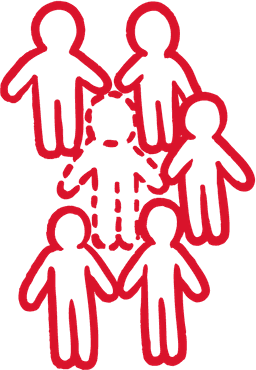
1 in 6
Children live in income poverty, meaning their families don’t have enough to live on each week after paying for housing costs.
&w=3840&q=85)

Shoes held together with duct tape. Kids who’ve eaten nothing since lunch the day before. Brothers sharing a pair of shoes. Children sick from living in overcrowded homes.
These are the heartbreaking stories we hear from teachers at our partner schools and early childhood centres.
Sadly, the statistics show that child poverty in New Zealand isn't getting any better. 169,000 children (14.3%) are living in material hardship, and that impacts our youngest New Zealanders’ chances – now and into the future.
Teachers at our partner schools and early childhood centres share the impact of hardship on young lives. They say poverty significantly impacts learning as they can’t teach cold, hungry children.
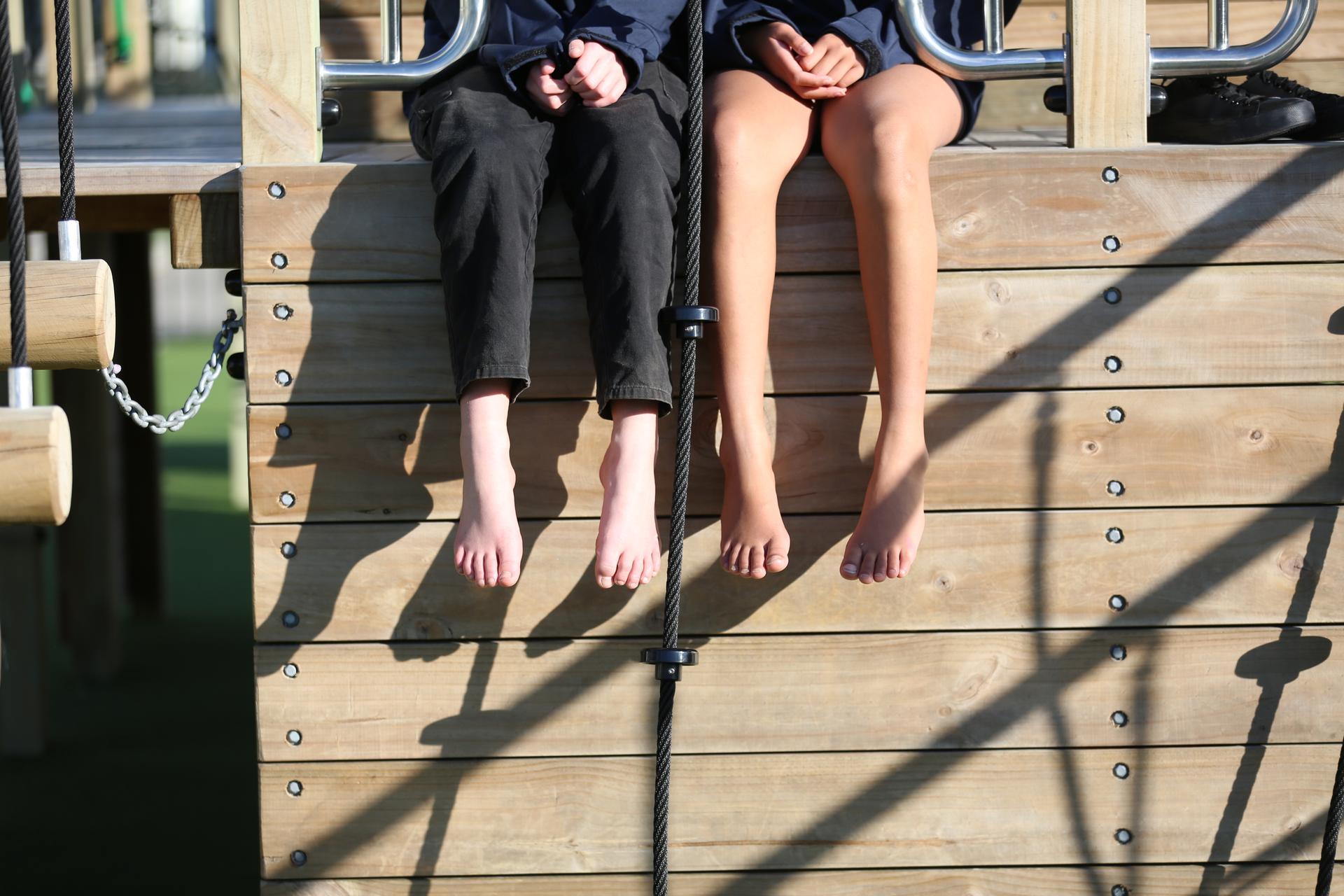
The impact on attendance
Parents may be unable to afford the petrol or even the bus fares to get to school.
Families may be too ashamed to send children to school without food.
Children may have to take turns with their siblings wearing shoes or other items of uniform.
Families may be living in overcrowded homes, resulting in illness and absence.
Students may have to leave school for low-paid jobs to help the family.
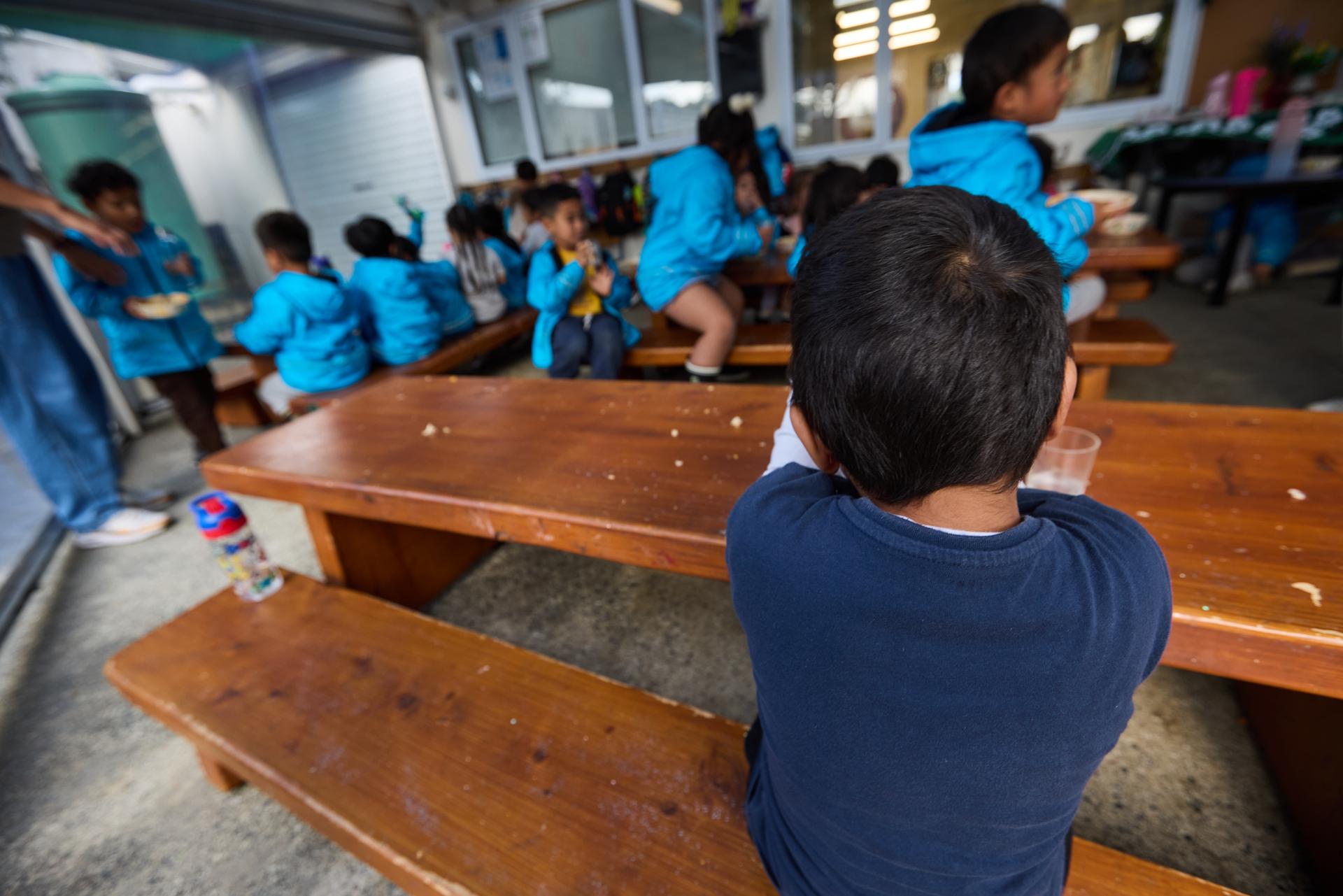
The impact on achievement
Hungry students end up years behind their peers. Recent analysis of the 2022 PISA student achievement data showed students who miss meals due to a lack of money are two to four years behind their peers who never miss meals.
New Zealand's results showed the gap between rich and poor students had widened. The average PISA score for the richest 25% of New Zealand students was 102 points higher than the average for the poorest 25%.
PISA found that 14% of New Zealand students reported not eating at least once a week in the past 30 days due to lack of money to buy food, compared to the OECD average of 8%.
Education makes a difference to future earnings. Students who leave school with NCEA Level 2 can expect to be earning twice as much nine years later as those who left school at the same time with no qualifications.
There is a common lack of understanding about families living in poverty and sometimes blame is placed on the parents.
People may think parents are in hardship because they are spending money on the wrong things, or they take advantage of the welfare system and don’t have or seek employment.
Here’s what we know from nearly 20 years’ experience of working with families affected by poverty:
Most parents are very good parents who are embarrassed that they can't provide for their children and are thankful KidsCan is there in times of need.
We have found no evidence that parents exploit or misuse KidsCan support.
There is often speculation that parents in hardship don’t work. But research conducted in 2019 by New Zealand Work Research Institute showed more than 50,000 working households in Aotearoa live in poverty.
Placing blame on parents, government or society doesn’t solve the issue – and importantly, it’s never the child’s fault. We need to give support to every Kiwi kid who needs it.